Summer is a popular time for teens and young adults to get new piercings, and tongue, lip, and cheek piercings remain a common form of self-expression. While we respect personal style, as dentists we also see the effects oral jewelry can have on teeth and gums. At Tenth Street Family Dental in Indianapolis, we want you to have the facts so you can make an informed decision and protect your smile.
Common Risks of Oral Piercings
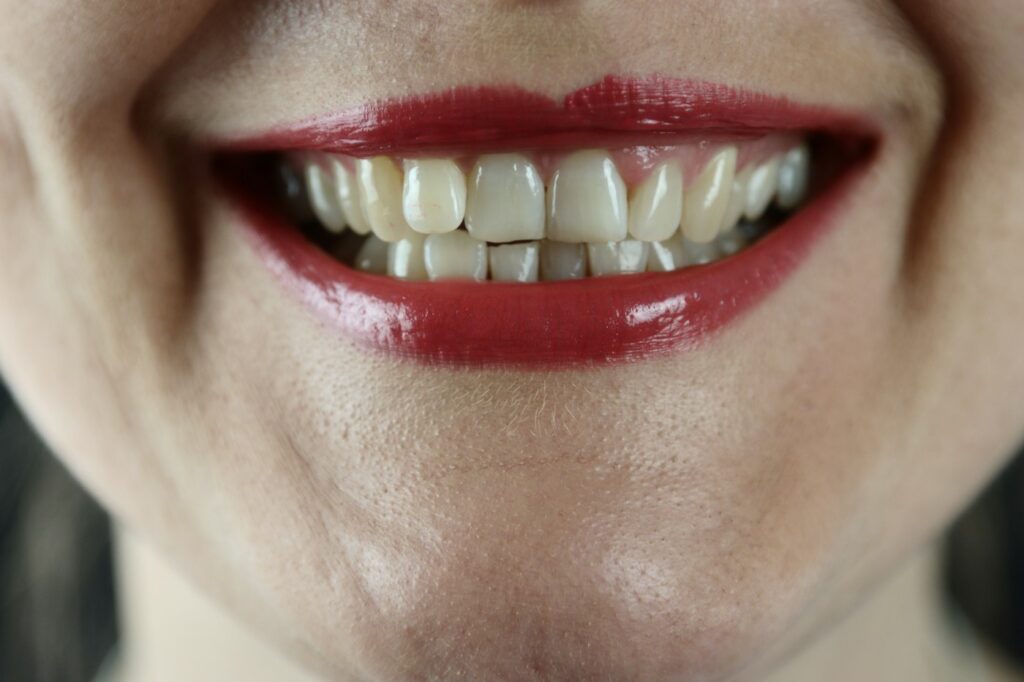
- Chipped and cracked teeth: Biting down on metal jewelry or clicking it against teeth can chip enamel or crack teeth, especially molars and front teeth.
- Gum recession: Lip and tongue jewelry can rub against the gums, causing them to wear away and expose sensitive roots. See our guide to receding gums.
- Infection: The mouth contains many bacteria, and a new piercing is an open wound.
- Swelling: Tongue swelling after piercing can be significant and, rarely, can affect breathing.
- Nerve damage: Can cause numbness or changes in taste.
- Bleeding: The tongue has many blood vessels.
- Interference with dental care: Jewelry can block X-rays and get in the way of treatment.
- Swallowing or choking: Loose jewelry can be swallowed or inhaled.
- Increased saliva and speech changes.
Warning Signs of a Problem
Call a healthcare provider or our office if you notice increasing pain, swelling that spreads, fever, red streaks, pus, a chipped tooth, or a sore that will not heal around the jewelry.
Healing Time and What to Expect
A new tongue piercing typically takes several weeks to heal, and lip piercings can take longer. During healing, expect some swelling, tenderness, and changes in speech or eating. Stick to soft, cool foods, avoid alcohol and tobacco, and do not change the jewelry until your piercer says it is safe. If swelling is severe, or you have trouble breathing or swallowing, seek medical care immediately.
If You Already Have an Oral Piercing
- Choose a reputable, licensed piercer who uses sterile equipment.
- Keep it clean with an alcohol-free antibacterial rinse after meals.
- Avoid clicking or playing with the jewelry against your teeth.
- Use smaller or softer jewelry once healed; plastic or flexible options may reduce tooth damage.
- Check the backs regularly to make sure they are tight.
- Remove jewelry for sports and wear a mouthguard.
- Tell your dentist so we can monitor teeth and gums near the piercing.
When Damage Has Already Happened
If a piercing has chipped a tooth, we can often repair it with bonding. Larger cracks may need a crown. Gum recession can be managed to prevent further loss, and exposed roots can be protected. Removing the jewelry is often the best way to stop ongoing damage.
Advice for Parents
If your teen is considering an oral piercing, talk openly about the risks and benefits. Indiana generally requires parental consent for piercing minors, so make sure any piercer follows state rules. Encourage your teen to talk with us at their next checkup.
Keep Up With Checkups
Regular cleanings and exams help catch early signs of damage, like tiny cracks or receding gums, before they become serious.
Dental Care for Teens and Young Adults
We see patients from Irvington, Lawrence, Warren Township, and Beech Grove in Marion County, Fishers, Carmel, and Noblesville in Hamilton County, Greenfield in Hancock County, and Brownsburg in Hendricks County. If you are searching for a dentist near me to check a piercing-related problem, give us a call.
Frequently Asked Questions
Can a tongue piercing crack my teeth?
Yes. Biting on metal jewelry is a common cause of chipped and cracked teeth.
Should I remove my piercing before dental X-rays?
Yes, if possible. Jewelry can block parts of the image.
Are plastic barbells safer?
They may reduce the risk of chipping, but they do not eliminate gum and infection risks.
Ready to take the next step? Contact Tenth Street Family Dental to schedule your checkup. We are located in the Smart and Final shopping center at 6919 E. 10th Street, Suite A1, Indianapolis, IN 46219, and are open Monday–Friday 9 AM–5 PM and Saturday 9 AM–2 PM. We welcome most insurance plans, Medicaid, and Medicare Advantage patients.